

Why Am I Always Bloated? 7 Common Causes (and What Actually Helps)
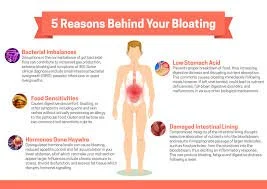
If you feel like you wake up flat and go to bed looking six months pregnant, you’re not alone. Bloating is one of the most common concerns we see at Thrive Dietetics. It’s uncomfortable, frustrating, and often confusing — especially when you feel like you’re “eating healthy.”
The good news? Bloating is usually manageable once you understand what’s actually causing it.
Let’s break down why you’re always bloated, the most common triggers, and what really helps.
What Is Bloating, Really?
Bloating is a sensation of fullness, tightness, or pressure in the abdomen. Sometimes it comes with visible distension (your stomach actually looks bigger), and sometimes it’s more of an internal discomfort.
It’s typically caused by one (or more) of these:
Excess gas production
Slowed digestion
Water retention
Gut sensitivity
Hormonal shifts
Now let’s look at the most common reasons behind chronic bloating.
1. You’re Eating Too Fast
When you eat quickly, you swallow more air. That air gets trapped in your digestive tract and contributes to gas and pressure.
Fast eating also prevents proper chewing, which means your stomach has to work harder to break food down.
What helps:
Slow down meals (aim for 20–30 minutes)
Chew thoroughly
Put your fork down between bites
Avoid talking while chewing
It sounds simple, but this alone can dramatically reduce bloating for many people.
2. Constipation (Even Mild)
You don’t have to go days without a bowel movement to be constipated. If you’re going less than once daily, straining, or not feeling fully empty, stool can sit in the colon and ferment — leading to gas and bloating.
What helps:
Adequate hydration
Gradually increasing fiber (especially soluble fiber)
Gentle daily movement (like walking)
Establishing a consistent bathroom routine
Be careful with suddenly increasing fiber — too much too fast can worsen bloating.
3. You Increased Fiber “Too Well”
High-fiber diets are healthy — but your gut bacteria need time to adapt. Jumping from low fiber to large salads, protein bars, legumes, and whole grains overnight can overwhelm your system.
More fiber = more fermentation = more gas (at first).
What helps:
Increase fiber slowly over 2–3 weeks
Spread fiber intake throughout the day
Drink more water alongside fiber
Gradual changes allow your gut to adjust without excessive discomfort.
4. You’re Sensitive to Certain Carbohydrates (FODMAPs)
Some carbohydrates are poorly absorbed in the small intestine and easily fermented in the gut. These are called FODMAPs.
Common high-FODMAP foods include:
Onions
Garlic
Apples
Wheat
Certain dairy products
Legumes
Not everyone needs to avoid these foods. But if you’re consistently bloated after eating them, you may have a sensitivity.
What helps:
A short-term, structured low-FODMAP trial
Reintroduction phase to identify specific triggers
Working with a dietitian (this part is key — elimination alone isn’t the goal)
5. Hormonal Fluctuations
If your bloating worsens before your period, hormones are likely playing a role. Estrogen and progesterone shifts can slow digestion and increase water retention.
This type of bloating is common and cyclical.
What helps:
Regular meals to stabilize blood sugar
Reducing excess sodium before your cycle
Gentle movement
Adequate magnesium (if appropriate for you)
Tracking your symptoms can help confirm if hormones are the main driver.
6. Gut-Brain Connection & Stress
Your digestive system is highly sensitive to stress. When you’re anxious or overwhelmed, your body shifts into “fight or flight” mode — and digestion slows down.
Slower digestion = more time for gas buildup.
What helps:
Eating in a calm environment
Taking 3–5 deep breaths before meals
Regular stress-management practices
Not eating while distracted or working
This isn’t “all in your head.” It’s a very real physiological response.
7. Underlying Digestive Conditions
Sometimes persistent bloating is linked to conditions such as:
Irritable Bowel Syndrome (IBS)
Food intolerances
Small intestinal bacterial overgrowth (SIBO)
Celiac disease
If your bloating is severe, painful, worsening, or accompanied by red flags (unexplained weight loss, blood in stool, persistent diarrhea), it’s important to seek medical guidance.
What Actually Helps Long-Term?
The biggest mistake people make is cutting out more and more foods.
Bloating rarely improves with random elimination diets. In fact, it often worsens digestion and increases food anxiety.
Instead, long-term relief typically involves:
Identifying patterns
Improving digestion habits
Supporting regular bowel movements
Personalizing fiber intake
Addressing stress
Targeted food adjustments (not blanket restriction)
At Thrive Dietetics, we focus on identifying your specific triggers so you can feel confident eating again — without fear of looking or feeling bloated all the time.
When Should You See a Dietitian?
You should consider professional support if:
You feel bloated daily
You’ve already tried “cutting things out”
Your symptoms are affecting your quality of life
You feel confused about what to eat
Chronic bloating is common — but it’s not something you just have to live with.
Final Thoughts
If you’re always bloated, your body isn’t “broken.” It’s responding to something.
With the right guidance and a personalized plan, most people can significantly reduce bloating and feel comfortable in their body again.
If you’re ready to get to the root cause, Thrive Dietetics is here to help.