
Emotional Eating vs Physical Hunger – How to Tell the Difference
Have you ever found yourself standing in the kitchen thinking, “Am I actually hungry… or just stressed?”
If so, you’re not alone. One of the most common questions we get at Thrive Dietetics is how to tell the difference between emotional eating and physical hunger. And the truth is — it’s not always obvious.
Understanding the difference can help you build a healthier relationship with food, reduce guilt, and feel more in control around eating.
Let’s break it down in a practical, judgment-free way.
What Is Physical Hunger?
Physical hunger is your body’s biological need for fuel. It’s how your body signals that it needs energy, nutrients, and nourishment to function properly.
Signs of Physical Hunger:
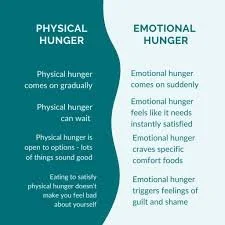
Gradual onset (it builds over time)
Stomach growling or emptiness
Low energy or difficulty concentrating
Headache or irritability
You’re open to different food options
You feel satisfied once you’ve eaten enough
Physical hunger doesn’t usually demand a specific food. If you’re truly hungry, a sandwich, leftovers, or a balanced meal will sound just as good as a snack.
Physical hunger is normal. It’s healthy. It deserves to be responded to.
What Is Emotional Eating?
Emotional eating happens when food is used to cope with feelings rather than to satisfy physical hunger.
This might include eating because you’re:
Stressed
Bored
Lonely
Anxious
Tired
Celebrating
Procrastinating
Emotional eating is not a lack of willpower. It’s a learned coping strategy — and for many people, it starts early in life.
Signs of Emotional Hunger:
Comes on suddenly
Feels urgent (“I need chocolate now.”)
Craves specific comfort foods
Often tied to a mood or situation
May continue past fullness
Followed by guilt or shame
Unlike physical hunger, emotional hunger isn’t satisfied by fullness. You can feel physically full but still want to keep eating because the emotion hasn’t been addressed.
Why Emotional Eating Isn’t “Bad”
Here’s something important: emotional eating is not inherently wrong.
Food is comforting. It’s cultural. It’s social. It’s tied to memory and connection.
The goal isn’t to eliminate emotional eating entirely. The goal is to:
Recognize it
Reduce guilt around it
Build additional coping tools
Make intentional choices instead of reactive ones
At Thrive Dietetics, we focus on improving your relationship with food — not creating more food rules.
A Simple Way to Pause and Check In
If you’re unsure whether you’re physically hungry or emotionally triggered, try asking yourself:
When did I last eat?
Would I eat something balanced right now (like yogurt, eggs, leftovers)?
What am I feeling in this moment?
What do I actually need?
If you ate recently and only one very specific food sounds good, it might be emotional hunger.
If you’d happily eat a balanced meal, it’s likely physical hunger.
What to Do If It’s Physical Hunger
Respond to it.
Eat a balanced meal or snack that includes:
Protein
Fiber
Healthy fats
Ignoring physical hunger often backfires and leads to overeating later. Honoring hunger consistently can actually reduce emotional eating over time.
Restriction fuels urgency.
What to Do If It’s Emotional Hunger
First — remove judgment.
Then consider:
Do I need rest?
Do I need a break from work?
Do I need connection?
Am I overstimulated?
Am I just bored?
Sometimes you may still choose to eat — and that’s okay. The key difference is that you’re choosing it intentionally, not automatically.
You can also build a “coping toolbox” that might include:
A short walk
Journaling
Calling a friend
Deep breathing
Stepping outside for fresh air
A 10-minute reset away from screens
Food can stay in the toolbox — it just doesn’t have to be the only tool.
Why Restriction Makes Emotional Eating Worse
If you label foods as “bad” or constantly try to eat perfectly, emotional eating often intensifies.
When you restrict:
Cravings increase
Food becomes more emotionally charged
Guilt cycles strengthen
All-or-nothing thinking develops
A balanced, flexible approach to nutrition helps reduce urgency and rebuild trust with your body.
When to Seek Support
If emotional eating feels:
Frequent
Out of control
Accompanied by guilt or shame
Connected to chronic dieting
Linked to stress or anxiety
Working with a dietitian can help you untangle the patterns without adding more food rules.
At Thrive Dietetics, we help clients understand their hunger cues, improve body awareness, and develop sustainable coping strategies that don’t revolve around restriction.
Final Thoughts
Physical hunger asks for fuel.
Emotional hunger asks for comfort.
Both are human.
Learning to pause, notice the difference, and respond with compassion — not criticism — is what builds a healthy relationship with food long-term.
If you’re struggling to tell the difference, you don’t have to figure it out alone. Thrive Dietetics is here to support you in building confidence, clarity, and peace around food.