


Paediatric Nutrition Support on the Central Coast
Your Complete Guide to
Feeding, Growth & Fussy Eating
If you’re worried about your child’s eating, growth, allergies, or mealtime stress, you’re not alone. Many families across the Central Coast feel unsure about what’s normal, what’s just a phase, and when to seek help from a Paediatric Dietitian.
At Thrive Dietitian, we support children of all ages with practical, evidence-based nutrition care. This guide brings together the most common feeding and growth concerns we see in clinic, so you can better understand your child’s needs and know where to go next.
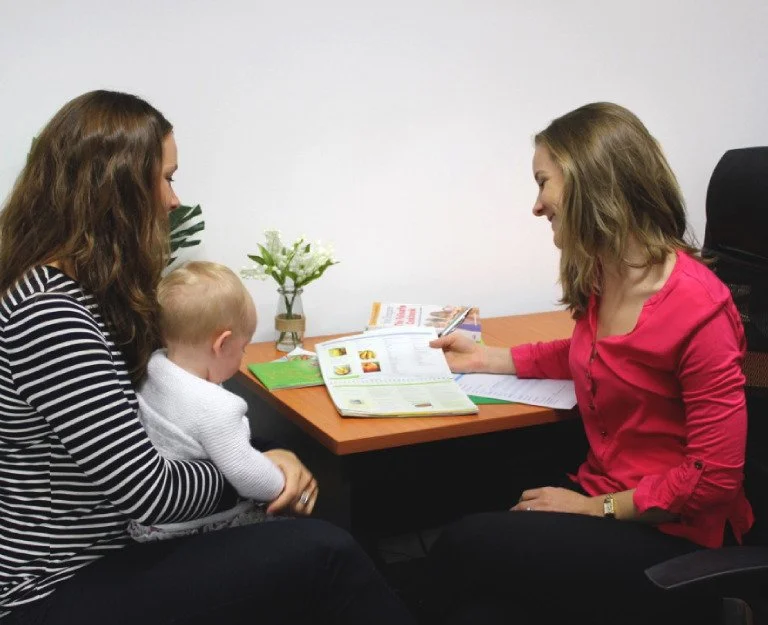
Feeding & Growth in Children: What’s Normal (and What’s Not)
Parents often wonder whether their child is eating enough, especially when intake seems to vary dramatically from day to day. In reality, children’s appetites naturally fluctuate depending on growth spurts, activity levels, illness, and development. Toddlers in particular can appear to “live on air” one week and eat constantly the next.
Growth charts are designed to track patterns over time rather than focus on a single number. What matters most is whether your child is consistently tracking along their own percentile curve. If there are changes in growth, energy levels, or food variety, a deeper assessment can help determine whether this is within normal variation or something that needs support.
If you’d like to understand growth percentiles, appetite changes, and red flags in more detail, explore our full guide on feeding and growth.

Food Allergies & Intolerances in Children
Navigating food reactions can feel overwhelming. Parents are often unsure whether symptoms reflect a true allergy, an intolerance, or something unrelated to food altogether. Understanding the difference is important, as unnecessary food restriction can sometimes create nutritional gaps or increase anxiety around eating.
When elimination diets are required, they need to be carefully managed to ensure children continue to meet their growth and nutrient needs. Reintroduction is also a critical step that is frequently overlooked or delayed.
If your child has suspected or diagnosed food allergies or intolerances, our comprehensive guide explains how to approach testing, dietary management, and safe reintroduction with confidence.
Fussy Eating: When Is It Just a Phase?
Fussy eating is extremely common, particularly between one and five years of age. During this time, children develop independence, sensory awareness, and a natural caution around unfamiliar foods. It’s very normal for children to reject vegetables, suddenly dislike previously accepted foods, or prefer familiar textures and colours.
However, when food refusal becomes highly restrictive, stressful, or impacts growth, it may signal something more than typical developmental pickiness. Sensory sensitivities, anxiety around food, or negative mealtime experiences can all contribute to entrenched feeding patterns.
There are practical, evidence-based strategies that reduce pressure and improve food variety over time. You can read more about what works (and what often makes things worse) in our detailed fussy eating resource.


Nutrition Support for Children with Additional Needs
Some children experience feeding challenges related to developmental differences, medical conditions, or sensory processing variations. These children may have a very limited food range, strong texture preferences, or significant anxiety around meals. In some cases, feeding difficulties are intertwined with oral motor skills, gastrointestinal discomfort, or behavioural stress.
Nutrition support in these situations often works best as part of a collaborative team, alongside GPs, paediatricians, speech pathologists, and occupational therapists. For families accessing NDIS supports, dietetic services may be included under capacity-building plans.
To better understand how paediatric nutrition support works for children with additional needs — and what to expect from an appointment — visit our dedicated page on complex feeding and NDIS support.
When Should You Seek Help?
Paediatric nutrition support may be helpful if you:
Feel worried about your child’s eating, growth, or nutrition
Are managing food allergies, intolerances, or medical conditions
Have a child with disability or additional needs requiring nutrition support
Feel overwhelmed by conflicting advice or pressure around feeding
Supporting healthy growth, development, and confidence.
With experience supporting people through complex medical conditions as well as the challenges of parenting and family life, Ellie helps families move away from stress and self-doubt toward clarity, confidence, and trust around food.
The aim is not perfect eating, but a positive relationship with food that supports your child’s growth, development, and wellbeing over time.
If you’re concerned about your child’s nutrition, feeding, or growth, you can book a paediatric dietetics appointment on the Central Coast with Ellie.