
Nutrition to Reduce Miscarriage Risk
Miscarriage is far more common than most people realise — yet often surrounded by silence. You can be experiencing such a profound mix of emotions, all intensified by hormonal shifts and maybe even struggling with the ‘right’ way to react - and not wanting to have to explain this to those around you- all contributing to a growing feeling of isolation.
However, if you’re reading this after a loss, please hear this clearly:
You did not cause your miscarriage.

Most losses are due to reasons completely outside your control. Although it is very common to want to find a cause or fault to help make sense of your loss.
After a miscarriage, many women feel a deep desire to understand how to support their body moving forward and this can bring feelings hope and positive focus. And the truth is — while nutrition can’t prevent every loss — nourishing your body can improve egg and sperm quality, reduce inflammation, stabilise hormones, and optimise the environment in which conception and early pregnancy occur.
This article is here to empower you with evidence-based, compassionate guidance — not blame, pressure, or perfectionism.
Why Nutrition Matters in Early Pregnancy
The first 6–8 weeks of pregnancy are a period of rapid cell division, organ formation, gene-expression programming, and placenta development. Long before many women even realise they’re pregnant, nutrients and metabolic health already influence:
embryo development
placental formation
uterine lining receptivity
hormone balance
inflammation and oxidative stress
DNA methylation and early gene expression
This is why the preconception period matters so much — it’s a window where nutrition and lifestyle can positively influence early pregnancy outcomes.
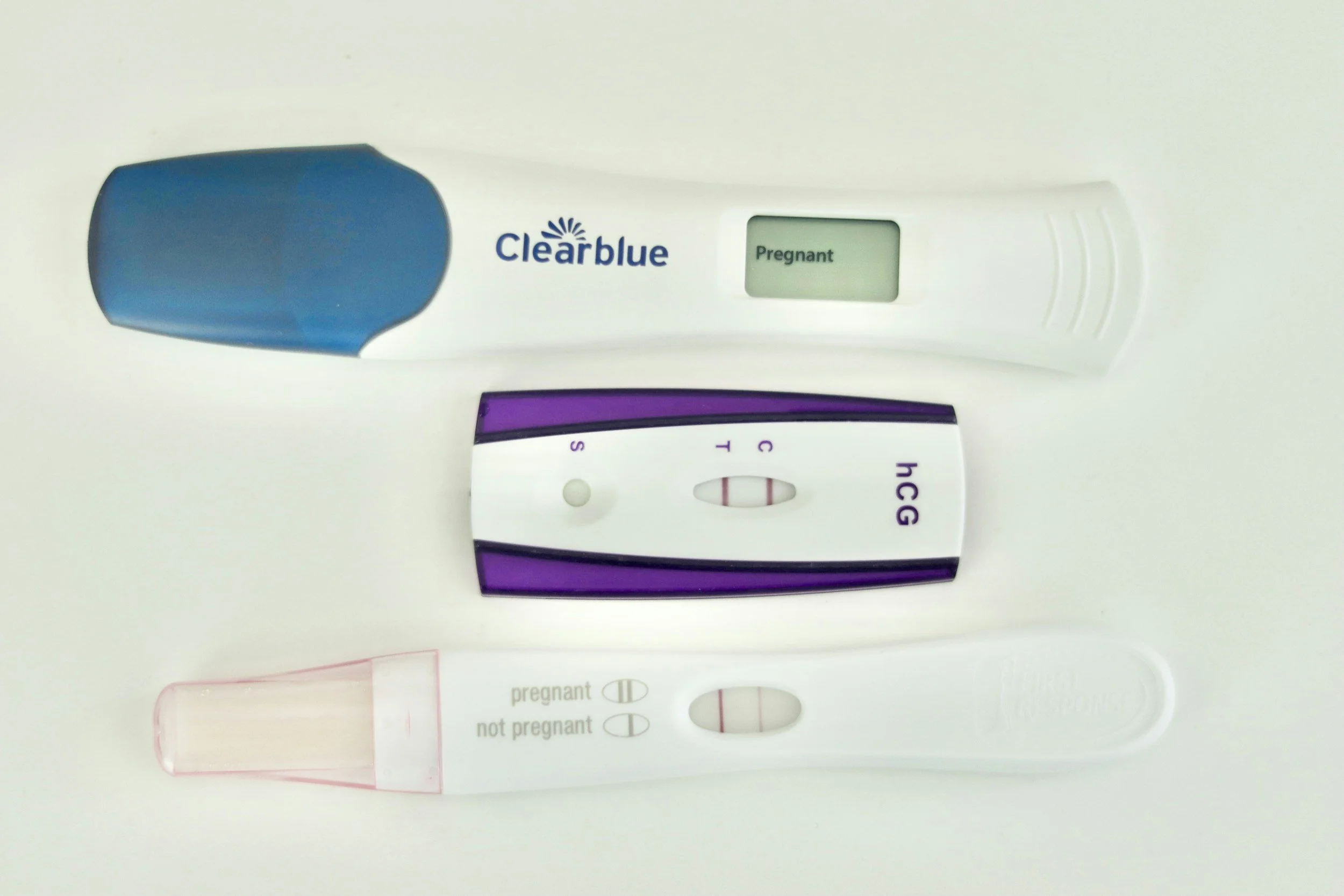
Investigations & Blood Tests Worth Considering
While not needed for everyone, some individuals benefit from a deeper look at factors that can influence early pregnancy health. Speak with your GP, fertility specialist, or dietitian about whether any of these are appropriate for you:
🔹 Thyroid Testing
TSH, Free T4, Free T3
Thyroid antibodies (TPO, Tg)
Even mild thyroid dysfunction can affect ovulation and early pregnancy.
🔹 Iron Studies
Ferritin
Serum iron
Transferrin saturation
Low iron can contribute to fatigue, poor ovulation, and impaired early placental development.
🔹 B12 & Folate
Adequate levels are essential for DNA replication and reducing neural tube defect risk.
🔹 Vitamin D
Linked to immune balance, implantation, and pregnancy outcomes.
🔹 HbA1c / Fasting Insulin
Helps identify insulin resistance, which is common in PCOS.
🔹 Coeliac Screening
Undiagnosed coeliac disease increases miscarriage risk, and correcting it improves outcomes.
🔹 Recurrent Miscarriage Panel (only in certain cases)
For individuals with ≥2 miscarriages, your doctor may consider antiphospholipid antibodies, clotting factors, or karyotyping or MTHFR gene testing.
Not all tests will be right for everyone — but getting personalised testing ensures you’re supporting your body in the most targeted, effective way.
Key Nutrients That Support Early Pregnancy & Reduce Risk
Nutrition can reduce oxidative stress, improve hormone balance, and support healthy embryo development — all important in reducing miscarriage risk.
1. Folate
Needed for DNA formation and preventing neural tube defects.
Some women benefit from activated forms (e.g., methylfolate), especially those with MTHFR variants estimated around 10-15% of the population.
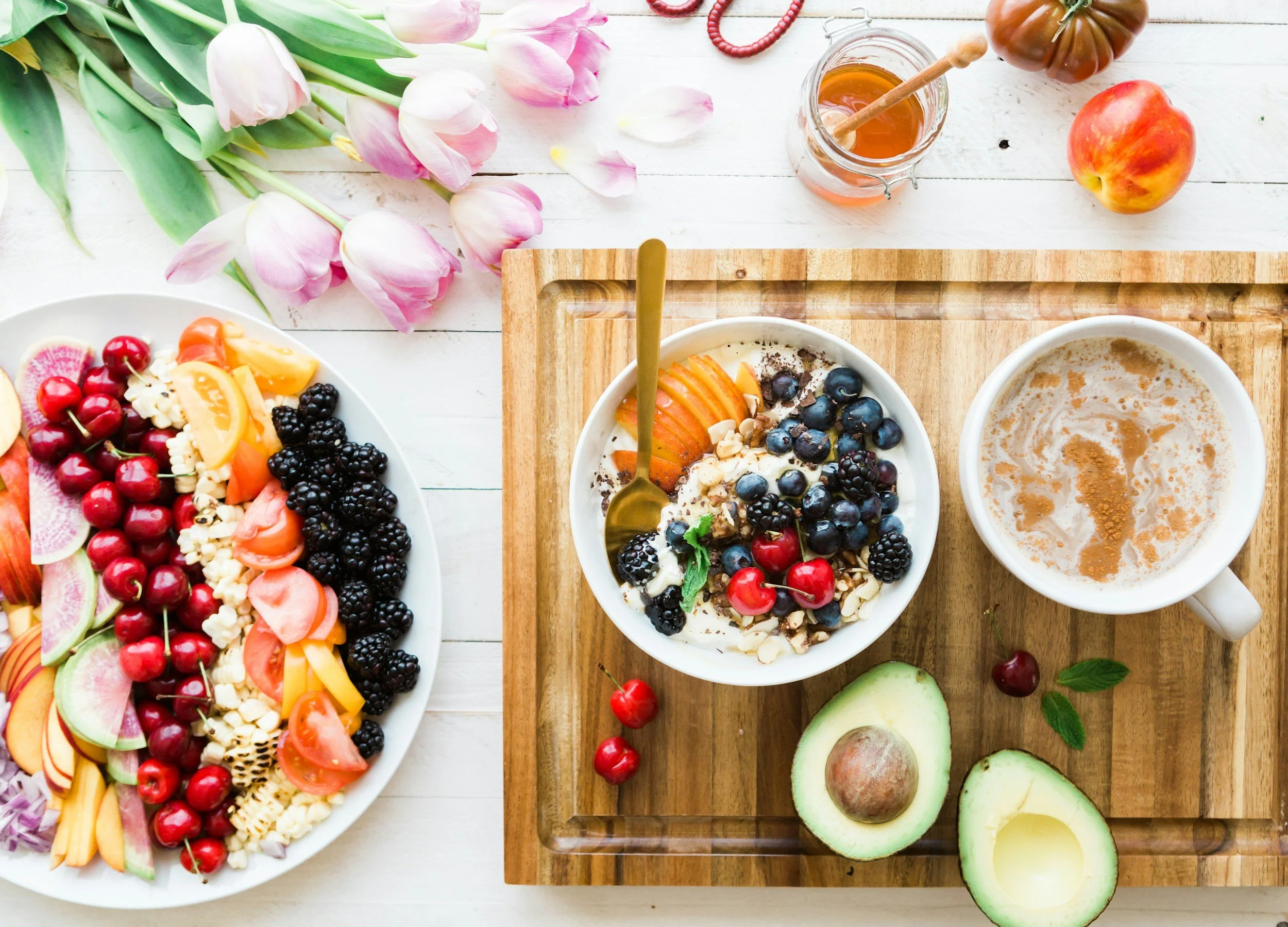
Best sources: lentils, beans and chickpeas, leafy greens like spinach, asparagus, avocado, oranges and banana.
2. Omega-3 Fatty Acids (EPA + DHA)
Reduce inflammation, support hormone production, and play a role in early placental development.
Best sources: oily fish, chia, flax, walnuts, high-quality supplements.
3. Iron
Supports oxygen delivery and healthy ovulation. Low ferritin is common in women after discontinuing hormonal contraception.
Best sources: red meat, seafood source as oysters and sardines, poultry, lentils, spinach and tofu.
4. Vitamin B12
Works with folate in DNA synthesis and embryo development.
Best sources: Dairy, meat, fish and eggs.
5. Vitamin D
Supports immune regulation — especially important in early implantation.
Best sources: natural sunlight (aim for morning or late afternoon for low UV), sit mushrooms in sunlight prior to cooking/ eating.
6. Choline
Essential for neural tube development (just as important as folate but far less talked about!).
Best sources: eggs, fish, and some prenatal supplements.
7. Antioxidants
Antioxidants protect against oxidative stress. Oxidative stress can lead to cellular damage to proteins, lipids, and DNA in both eggs and sperm, potentially impairing embryo development and placental function
Include: berries, avocado, leafy greens, extra-virgin olive oil, nuts, seeds, and colourful veggies.
What to Limit in the Preconception Period
(Remember — we’re aiming for improvements, NOT perfection.)
These are areas where small, achievable changes can support early pregnancy health for both partners.
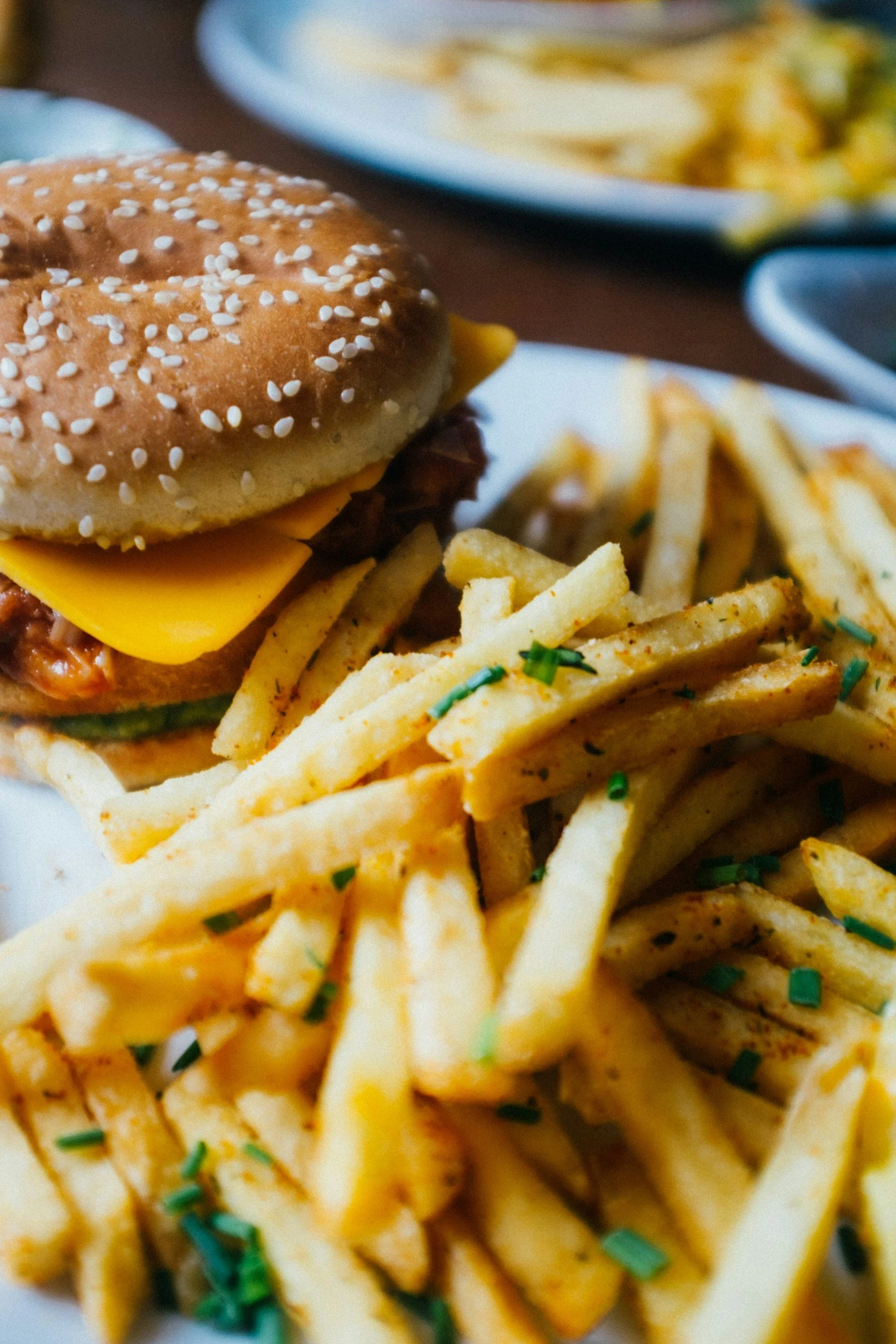
1. Limit Saturated & Trans Fats
Found in:
processed meats
fatty takeaway foods
deep-fried foods
many packaged snacks
These can increase inflammation and negatively impact egg and sperm quality.
2. Avoid High-Mercury Fish
Choose low-mercury fish most of the time.
Avoid:
Flake
Shark
Marlin
Broadbill / Swordfish
Orange roughy
Catfish
These can build up in the body and affect fetal neurodevelopment.
3. Limit Caffeine to ≤200 mg per day
Equivalent to:
1–2 small coffees
OR 2–3 black teas
OR a few squares of dark chocolate
Higher intakes have been linked to increased miscarriage risk and can interfere with blood flow to the embryo, crosses the placenta but babies metabolise it slowly, reduced egg and sperm quality.
4. Avoid Alcohol for BOTH Partners
Alcohol can impair egg quality, sperm DNA integrity, and early embryo development.
Research shows even moderate intake can affect outcomes — so reducing or stopping alcohol during preconception is ideal. Additionally intake impacts DNA linked with health outcomes both physically, mentally and emotionally of the future child.

5. Reduce Exposure to Endocrine-Disrupting Chemicals (EDCs)
These can affect hormones, ovulation, sperm quality, and pregnancy outcomes.
Practical steps:
Use glass or stainless steel over plastic for food storage
Avoid heating food in plastic containers
Choose fragrance-free or low-tox personal products
Reduce exposure to pesticides (wash produce well or choose organic options)
A Holistic Note: It’s Not All About the Woman
Up to 50% of miscarriage risk is related to sperm health — so it is important partners are included too. Sperm take ~72 days to regenerate, so what he does now affects conception 3 months from now and health outcomes of the future child.
Encourage partners to:
eat more whole foods
reduce alcohol
keep caffeine moderate
avoid smoking/vaping
manage stress
optimise sleep
consider targeted supplements if needed

Final Thoughts: You Deserve Support
Miscarriage takes an emotional and physical toll. You’re allowed to seek support, ask for guidance, and want to nourish your body differently going forward — without blaming yourself for the past.
Nutrition is one empowering way to support healthy conception and early pregnancy… but it’s only one piece of the puzzle. You don’t need perfection — just small, meaningful steps in the right direction.
If you’d like personalised preconception nutrition care or support after miscarriage, I would be honoured to help you on your journey.