
Should You Be Tracking Macros? Pros, Cons & Who It’s Actually For
If you’ve spent any time on social media or fitness blogs, you’ve probably heard someone say they’re “tracking their macros.” It’s often presented as the gold standard for weight loss or body composition—but is it actually necessary for everyone?
The truth is, macro tracking can be a useful tool for some people, but it isn’t the right approach for everyone. Like most things in nutrition, it depends on your goals, lifestyle, and relationship with food.
In this article, we’ll break down what macro tracking actually is, the pros and cons, and who it’s most useful for.
What Are Macros?
“Macros” is short for macronutrients—the three main nutrients your body needs in larger amounts to function properly:
Protein: supports muscle repair, immune function, and satiety
Carbohydrates: your body’s primary energy source
Fats: essential for hormones, brain health, and nutrient absorption
When people talk about tracking macros, they mean logging the grams of protein, carbohydrates, and fats they eat each day to hit specific targets.
Most people track their macros using an app, food scale, and nutrition database.
Why Do People Track Macros?
Macro tracking is often used for goals like:
Weight loss
Fat loss while maintaining muscle
Muscle gain
Improving athletic performance
Increasing awareness of food intake
By tracking macros, people get a more detailed view of what they’re eating—not just how many calories.
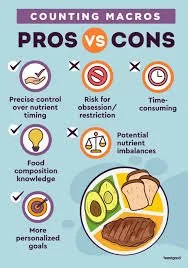
Pros of Tracking Macros
1. Increased Awareness of What You Eat
Tracking macros can help you understand the nutritional breakdown of your meals. Many people discover they’re eating far less protein or far more refined carbohydrates than they realised.
This awareness can make it easier to make more balanced food choices.
2. Helpful for Specific Body Composition Goals
If someone is aiming to build muscle, lose body fat, or optimise sports performance, macro targets can help ensure they’re getting the right balance of nutrients.
Protein intake, for example, plays a key role in preserving muscle during weight loss.
3. Structure and Accountability
For people who like structure and measurable goals, macro tracking can provide clear guidelines and help keep nutrition consistent.
4. Flexibility Compared to Strict Diets
Unlike rigid meal plans, macro tracking allows flexibility. As long as you meet your targets, you can include a wide variety of foods.
This is why some people find it easier to sustain than restrictive diet rules.
Cons of Tracking Macros
1. It Can Be Time-Consuming
Logging everything you eat, weighing foods, and checking nutrition labels can become tedious—especially for busy people.
Many people start macro tracking enthusiastically but struggle to maintain it long term.
2. It Can Encourage Food Obsession
For some people, tracking every gram of food can lead to overthinking meals or feeling anxious about eating “off plan.”
If you already find yourself stressing about food choices, macro tracking may not be the healthiest approach.
3. Not All Foods Fit Perfectly into Numbers
Food is more than just macros. Nutrients, fibre, food quality, and eating patterns also matter for long-term health.
Someone can technically hit their macro targets while still eating a diet low in fibre or micronutrients.
4. It May Disconnect You from Hunger and Fullness Cues
Relying too heavily on numbers can make it harder to tune into your body’s natural signals like hunger, fullness, and satisfaction.
Learning to listen to these cues is an important part of sustainable eating habits.
Who Macro Tracking Can Be Helpful For
Macro tracking may be beneficial if you:
Have specific physique or performance goals
Are an athlete or strength training regularly
Want to learn more about nutrition composition
Enjoy data, structure, and measurable targets
It can also be useful as a short-term educational tool to help people understand how different foods contribute to their nutrition.
Who It May Not Be Right For
Macro tracking may not be the best fit if you:
Have a history of disordered eating or food anxiety
Feel stressed or overwhelmed by tracking food
Prefer a more intuitive, flexible approach
Have a busy lifestyle that makes detailed tracking unrealistic
In these cases, focusing on balanced meals, portion awareness, and consistent eating habits may be more sustainable.
A Balanced Approach
Macro tracking is a tool—not a requirement for healthy eating.
For some people it provides helpful structure and insight. For others, it becomes another stressful rule around food.
At Thrive Dietetics, we focus on helping clients build sustainable nutrition habits that fit their lifestyle, whether that includes macro tracking or not.
Often, the most effective approach is somewhere in the middle: understanding nutrition basics while still allowing flexibility and enjoyment with food.
The Bottom Line
Tracking macros can be helpful for people with specific fitness goals or those who enjoy structured nutrition tracking. However, it’s not necessary for good health and may not suit everyone.
The best nutrition approach is the one you can maintain long term while supporting both your physical and mental wellbeing.
If you’re unsure whether macro tracking is right for you, working with an accredited dietitian can help you find an approach that aligns with your goals, lifestyle, and relationship with food.