
How Much Protein Do You Actually Need?
Protein is one of the most talked-about nutrients in the health world right now—and for good reason. From muscle repair to hormone production, it plays a crucial role in keeping your body functioning at its best. But with so much conflicting advice online, it’s easy to wonder: how much protein do you actually need?
Let’s break it down in a way that makes sense for real life—not just gym culture or extreme diets.
Why Protein Matters
Protein is made up of amino acids, often referred to as the building blocks of the body. It supports:
Muscle repair and growth
Immune system function
Hormone and enzyme production
Healthy skin, hair, and nails
Feeling fuller for longer (which can help with weight management)
In short, it’s essential—not optional.
The General Protein Guidelines
For the average adult, the baseline recommendation is:
0.75–0.84 grams of protein per kilogram of body weight per day
That means:
A 70kg adult would need roughly 52–59g of protein daily
However, this is just the minimum to prevent deficiency—not necessarily the optimal intake for health, energy, or body composition.
When You Might Need More Protein
Your protein needs can increase depending on your lifestyle, health goals, and life stage.
You may benefit from higher protein intake if you:
Exercise regularly (especially strength training)
Are trying to build or maintain muscle
Want to lose weight or reduce body fat
Are recovering from illness or injury
Are over 60 (to help prevent muscle loss)
Are pregnant or breastfeeding
In these cases, a more suitable range is often:
1.2–2.0 grams per kilogram of body weight per day
Is More Protein Always Better?
Not necessarily.
While protein is important, more isn’t always better—and extremely high-protein diets can sometimes displace other important nutrients like fibre, healthy fats, and carbohydrates.
Balance is key.
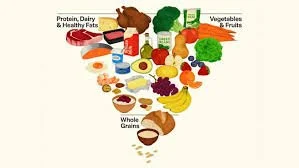
A well-rounded diet that includes protein, whole grains, healthy fats, and plenty of fruits and vegetables will support overall health far better than focusing on protein alone.
How to Spread Protein Throughout the Day
One of the most common mistakes people make is eating most of their protein at dinner.
Instead, aim to spread protein intake evenly across meals to support muscle repair and keep energy levels stable.
Simple ways to do this:
Add Greek yoghurt or eggs to breakfast
Include lean protein (chicken, tofu, fish, legumes) at lunch
Snack on nuts, cheese, or protein-rich options
Build dinner around a quality protein source
What Does a Day of Protein Look Like?
Here’s an example of how protein can be included throughout the day:
Breakfast: Greek yoghurt with nuts and fruit (~20g)
Lunch: Chicken salad sandwich (~25g)
Snack: Boiled eggs or hummus with crackers (~10–15g)
Dinner: Salmon, vegetables, and quinoa (~30g)
Total: ~85–90g protein
Plant vs Animal Protein
Both plant and animal proteins can support your needs.
Animal proteins (meat, fish, eggs, dairy) are “complete” proteins, meaning they contain all essential amino acids
Plant proteins (beans, lentils, tofu, nuts, seeds) can also meet your needs when eaten in variety
A balanced approach that includes both (if suitable for you) can offer the best of both worlds.
So, How Much Protein Do You Need?
There’s no one-size-fits-all answer.
Your ideal protein intake depends on your:
Body weight
Activity level
Health goals
Medical history
If you’re unsure, working with a dietitian can help you tailor your intake to suit your lifestyle—without overcomplicating things.
Final Thoughts
Protein is important—but it doesn’t need to be confusing.
Focus on:
Including protein at every meal
Choosing a variety of protein sources
Eating a balanced, whole-food diet
If you’d like personalised guidance, the team at Thrive Dietetics is here to help you feel confident about your nutrition—without the overwhelm.