
Cholesterol has been labelled the “bad guy” of heart health for decades—but the reality is far more nuanced. With evolving research and changing dietary guidelines, many people are left wondering: is cholesterol really something to worry about?
Let’s unpack what the latest evidence actually says—without the confusion.
What Is Cholesterol, Really?
Cholesterol is a type of fat found in your blood. It’s essential for building cells, producing hormones, and supporting overall health.
Your body actually makes most of the cholesterol it needs, mainly in the liver. The rest comes from certain foods.
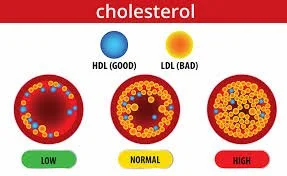
Cholesterol travels through the bloodstream in particles called lipoproteins. The two main types are:
LDL (low-density lipoprotein) – often referred to as “bad” cholesterol
HDL (high-density lipoprotein) – known as “good” cholesterol
Why LDL Cholesterol Matters
The latest research is clear on one key point:
High levels of LDL cholesterol increase the risk of heart disease.
LDL can contribute to plaque build-up in the arteries (a process called atherosclerosis), which can narrow or block blood flow. Over time, this increases the risk of heart attack and stroke.
So while cholesterol itself isn’t “bad,” elevated LDL cholesterol is something to take seriously.
Is Dietary Cholesterol Still a Concern?
This is where recommendations have changed.
Current evidence shows that for most people, dietary cholesterol (found in foods like eggs and shellfish) has a relatively small impact on blood cholesterol levels.
Instead, what matters more is the type of fats you eat.
The Real Dietary Drivers of Heart Health
Research now shows that these factors play a bigger role in cholesterol levels and heart disease risk:
1. Saturated Fat
Found in foods like fatty meats, butter, cream, and some processed foods. High intake can raise LDL cholesterol.
2. Trans Fats
Often found in ultra-processed foods and baked goods. These increase LDL and lower HDL—making them particularly harmful.
3. Fibre Intake
Soluble fibre (from oats, legumes, fruits, and vegetables) helps reduce LDL cholesterol.
4. Overall Diet Pattern
It’s not about one food—it’s about your overall eating pattern.
Dietary patterns like the Mediterranean-style diet are consistently linked to better heart health outcomes.
What About Eggs?
Eggs have been one of the most debated foods when it comes to cholesterol.
For most healthy individuals, eggs can absolutely be part of a balanced diet. They are rich in protein, vitamins, and minerals.
However, if you have high cholesterol or certain medical conditions, your individual needs may differ—this is where personalised advice matters.
Beyond Food: Other Factors That Impact Cholesterol
Cholesterol levels aren’t just about diet.
Other important factors include:
Genetics
Physical activity levels
Body weight
Smoking
Stress
Underlying health conditions
This is why two people eating the same diet can have very different cholesterol levels.
Practical Tips for Supporting Heart Health
If you’re looking to improve your cholesterol levels and support heart health, here are some simple, evidence-based steps:
Choose healthy fats (olive oil, nuts, seeds, avocado)
Reduce intake of saturated and trans fats
Eat more fibre-rich foods (whole grains, legumes, fruits, vegetables)
Include oily fish (like salmon or sardines) regularly
Stay active—aim for regular movement throughout the week
Avoid smoking
Manage stress and prioritise sleep
Do You Need to Cut Out Cholesterol Completely?
No—and for most people, that’s not necessary.
Focusing on overall diet quality is far more effective than eliminating specific nutrients. Restrictive approaches can often do more harm than good if they’re not sustainable.
So, What Does the Latest Evidence Say?
The takeaway is simple:
Cholesterol is essential for your body
High LDL cholesterol is a key risk factor for heart disease
Dietary cholesterol isn’t the main issue for most people
Overall diet and lifestyle matter far more than single foods
Final Thoughts
Heart health doesn’t come down to one nutrient—it’s about the bigger picture.
At Thrive Dietetics, we focus on practical, personalised strategies that fit your lifestyle—no extremes, no confusion.
If you’re concerned about your cholesterol or want tailored support, working with a dietitian can help you make sense of your results and create a plan that actually works for you.