


Feeding & Growth in Children
A Practical Guide for Families
It’s one of the most common concerns we hear from parents:
“Is my child eating enough?”
As a paediatric dietitian on the Central Coast, we regularly support families who feel unsure about growth charts, fluctuating appetites, or whether their child’s eating habits are normal. This guide explains what healthy growth looks like, why appetite varies so much in childhood, and when it’s worth seeking professional advice.
This guide forms part of our complete Paediatric Nutrition Support resource for Central Coast families.
How a Paediatric Dietitian Can Help
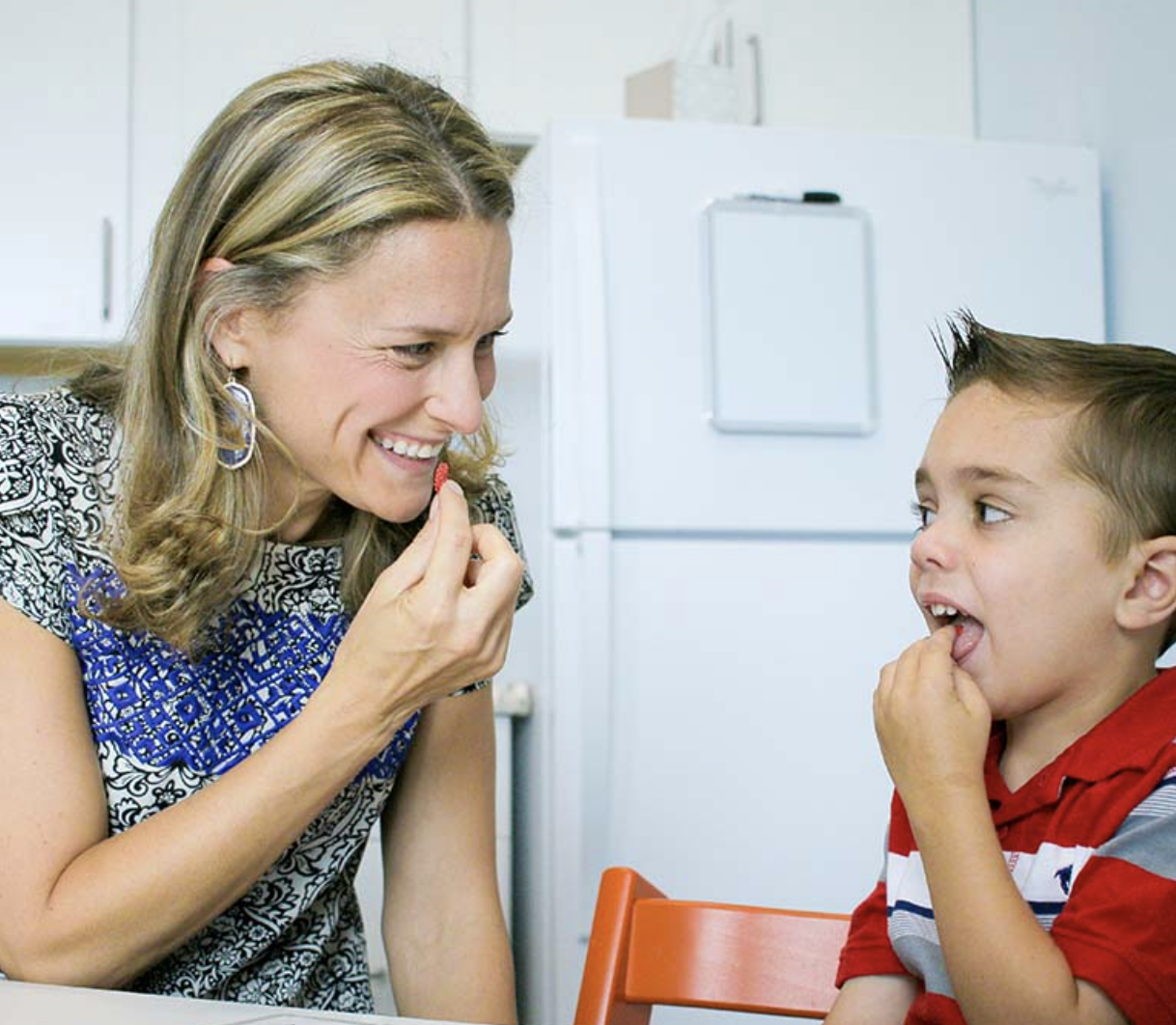
A comprehensive feeding and growth assessment looks beyond the scale. At Thrive Dietitian on the Central Coast, we evaluate dietary intake, growth history, feeding behaviour, medical background, and family dynamics.
Rather than focusing on calorie counting, we create practical strategies tailored to your child’s stage of development. This may include structured meal routines, nutrient-dense swaps, appetite regulation guidance, or support navigating fussy eating patterns.
For some families, reassurance that growth is on track is enough. For others, early intervention prevents long-term feeding stress.
For children with developmental differences or additional needs, nutrition support may also be accessed under NDIS plans. Read more about our NDIS paediatric dietitian services.
Understanding Growth in Children
Growth in children is not linear. It happens in bursts, particularly in infancy, toddlerhood, and adolescence. Between these growth periods, appetite often slows — and that can be completely normal.
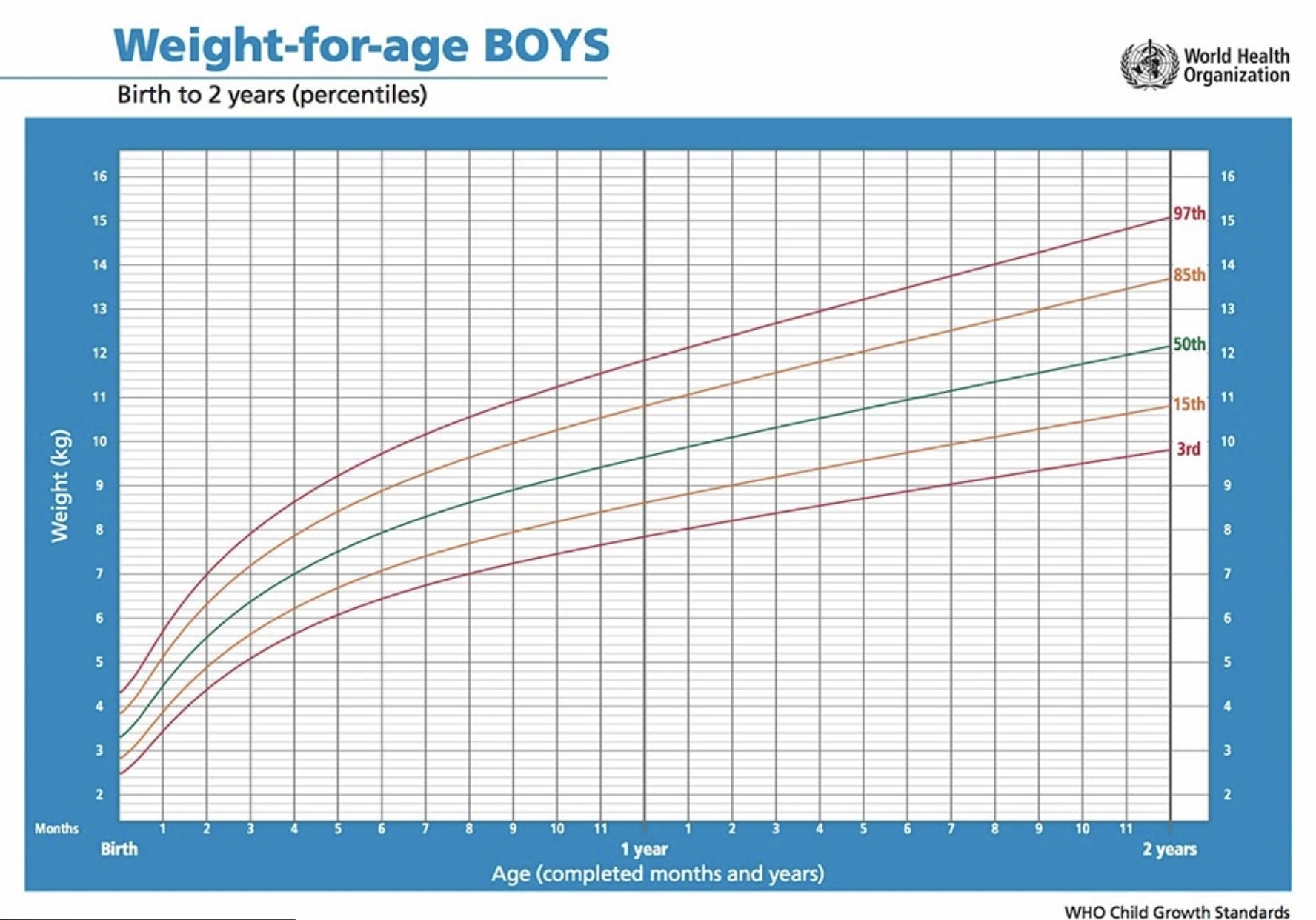
When health professionals assess growth, we look at patterns over time rather than a single number. Growth charts track weight and height percentiles, but what matters most is whether a child continues to follow their own curve. A child on the 15th percentile who tracks consistently is often healthier than one who jumps rapidly between percentiles.
Steady energy levels, appropriate development, and consistent tracking are reassuring signs. Sudden drops or plateaus may require further assessment.

What Is Considered “Normal” Eating?
Many parents worry when their child:
Eats small portions
Rejects vegetables
Stops eating foods they previously enjoyed
Prefers repetitive meals
In early childhood, these behaviours are developmentally common. Food neophobia — a fear of unfamiliar foods — peaks between ages two and five. This does not automatically mean there is a nutritional deficiency.
What matters more is overall variety across food groups over time. A child who rotates between carbohydrates, proteins, dairy (or alternatives), fruit and some vegetables is usually meeting baseline needs, even if intake seems unpredictable day-to-day.
If your child’s eating feels more restrictive than typical developmental pickiness, you can read our detailed guide on fussy eating in toddlers and children.
Why Appetite Changes So Much
Parents are often surprised by how dramatically appetite can fluctuate from one day to the next. After infancy, growth slows, and so does hunger. Toddlers especially may eat very well one day and barely touch food the next.
Appetite is influenced by:
Growth velocity
Activity levels
Illness
Sleep quality
Emotional regulation
Developmental stage
It is normal for children to regulate intake over a week rather than a single meal. Looking at patterns across several days gives a more accurate picture than focusing on one low-intake dinner.
For Central Coast families with active children involved in swimming, soccer, gymnastics, or beach sports, appetite may also rise during high-activity periods.

Red Flags That May Need Assessment
While variation is normal, there are times when growth or feeding patterns warrant a closer look.
Signs that may require review include persistent dropping of growth percentiles, ongoing fatigue, extremely limited food variety, or significant stress at mealtimes.
Early assessment by a paediatric dietitian can help determine whether the issue is behavioural, developmental, medical, or nutritional. Often, reassurance and minor adjustments are all that’s needed.
Ongoing gastrointestinal symptoms or suspected reactions to foods may require further investigation. Learn more about managing food allergies and intolerances in children.
When to Book an Appointment
You may benefit from paediatric nutrition support if you are searching for:
Paediatric dietitian Central Coast
Child not gaining weight
Toddler not eating much
Poor growth percentile drop
Child always tired low iron
Feeding assessment for children
If you’re unsure whether your child’s eating is normal, an assessment can provide clarity and a clear plan moving forward.