
The Truth About Detoxes & Juice Cleanses: Do You Really Need Them?
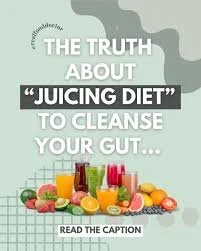
Every year, detoxes and juice cleanses trend across social media, promising quick weight loss, clearer skin, improved digestion, and a “reset” for your body. From celebrity-endorsed juice programs to influencers promoting multi-day cleanses, the message is everywhere: your body needs help to detox.
But is that actually true?
At Thrive Dietetics, we often get asked whether detoxes or juice cleanses are worth it. The short answer? For most people, they’re unnecessary — and sometimes even counterproductive. Let’s unpack the truth.
Your Body Already Has a Built-In Detox System
One of the biggest misconceptions behind detox diets is the idea that toxins build up in the body and need to be flushed out through special drinks or restrictive programs.
In reality, your body already has an incredibly effective detoxification system working 24/7. Key organs responsible for detoxification include:
The liver – processes and neutralises toxins
The kidneys – filter waste from the blood
The digestive system – eliminates waste products
The lungs and skin – help remove certain by-products
If these systems are functioning properly, your body is constantly detoxifying itself without needing expensive juice programs or extreme diets.
Why Juice Cleanses Are So Popular
Juice cleanses are appealing because they promise fast results with simple rules. Typically, they involve drinking only fruit and vegetable juices for anywhere from 1–7 days.
Many people report feeling “lighter” or “cleaner” during a cleanse. However, this feeling usually comes from:
Reduced calorie intake
Temporary water weight loss
Cutting out ultra-processed foods
Increased fluid intake
These effects can happen simply by eating more whole foods and drinking more water — no cleanse required.
The Downsides of Juice Cleanses
While short juice cleanses might seem harmless, they come with several potential drawbacks.
1. Lack of protein and healthy fats
Most juices are almost entirely carbohydrates. Without enough protein or fats, you may feel hungry, fatigued, and struggle to maintain stable energy levels.
2. Blood sugar spikes
Fruit-based juices can contain large amounts of natural sugars without the fibre that whole fruits provide. This can cause rapid rises and drops in blood sugar.
3. Loss of muscle mass
Very low-calorie diets can lead the body to break down muscle for energy.
4. Not sustainable
Most people return to their usual eating patterns after a cleanse, meaning any weight lost is often regained.
The “Detox” Industry Is Big Business
The global detox market is worth billions of dollars, with companies selling juices, teas, powders, and supplements that claim to remove toxins.
The issue? Many of these claims aren’t supported by strong scientific evidence.
There is currently very limited research showing that commercial detox products remove toxins more effectively than your body already does on its own.
What Actually Supports Your Body’s Natural Detox Process?
Instead of restrictive cleanses, the best way to support your body’s natural detox systems is through consistent, balanced habits.
Focus on:
Eating plenty of whole foods
Vegetables, fruits, whole grains, legumes, nuts, and seeds provide fibre and nutrients that support liver and gut health.
Getting enough protein
Protein helps the liver carry out detoxification processes.
Staying hydrated
Water supports kidney function and helps remove waste products.
Limiting ultra-processed foods and alcohol
These can place extra strain on the liver when consumed in excess.
Supporting gut health
A healthy gut microbiome plays an important role in processing and eliminating certain compounds.
Getting adequate sleep and managing stress
Sleep is essential for many metabolic processes, including those involved in detoxification.
A Better Alternative to a “Detox”
If you’re feeling sluggish, bloated, or out of routine, what you might need isn’t a detox — it’s a reset of everyday habits.
Some simple starting points include:
Adding an extra serving of vegetables to meals
Cooking more meals at home
Drinking more water throughout the day
Eating regular meals instead of skipping them
Prioritising sleep and recovery
These small, sustainable changes are far more effective than short-term cleanses.
The Bottom Line
Detoxes and juice cleanses are often marketed as quick fixes, but the human body is already designed to detox itself efficiently.
Rather than relying on restrictive programs or expensive products, the most effective way to support your health is through balanced nutrition, consistent habits, and evidence-based guidance.
If you’re looking to improve your nutrition or feel more energised, working with a dietitian can help you create a personalised plan that supports your long-term health — without extreme restrictions.
Need support with your nutrition?
The team at Thrive Dietetics can help you build practical, sustainable habits that support your health, energy, and wellbeing.